UNUS SED LEO Code in 2025 – Legit or Risk You Should Avoid?


I’ve used many crypto tools, and UNUS SED LEO Code stood out for its mix of automation and clarity. I approached it expecting a standard bot, but found a neat balance between hands-off trading and manual control.
The interface is friendly and the learning curve felt manageable. I liked how clear the signals and logs were, making it easy to follow my strategies and results.
👉 Open Your UNUS SED LEO Code Account Now
The Bottom Line
In short, UNUS SED LEO Code is a practical trading assistant that suits active hobbyists and semi-pro traders who want automation without losing control. It helped me catch trends faster and reduce repetitive tasks.
Key details at a glance:
- Minimum deposit: $50 (typical)
- Supported assets: BTC, ETH, LEO, major altcoins, stablecoins
- Devices: Web, iOS, Android
- Cost: Subscription tiers; starter plan low monthly fee
- Recommended users: Active traders, semi-pros, crypto-savvy beginners
What is UNUS SED LEO Code?
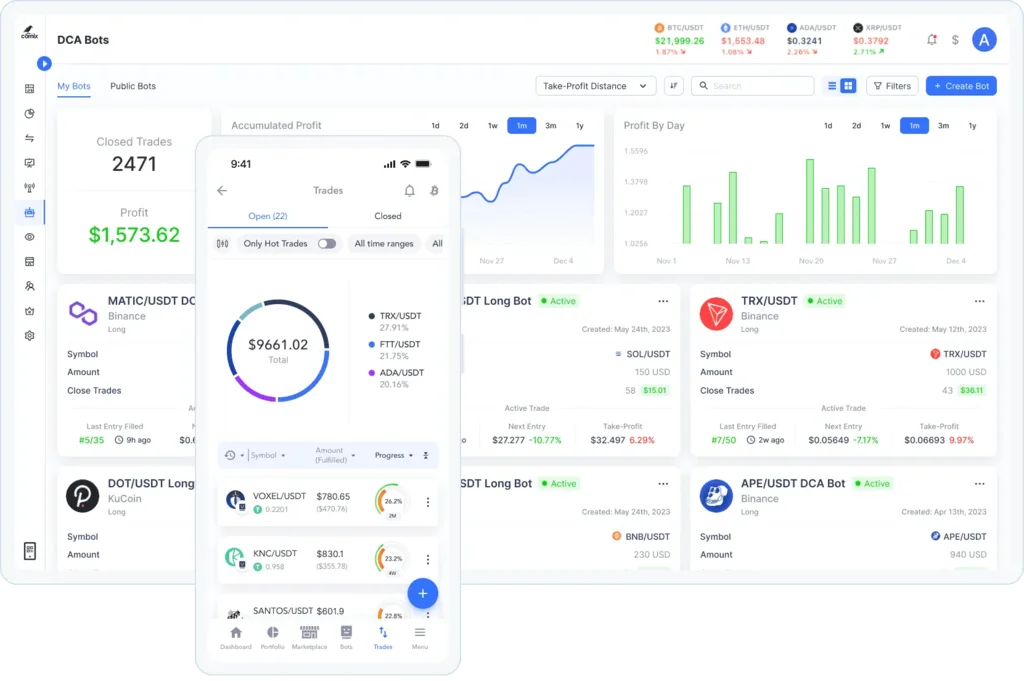
UNUS SED LEO Code is a trading algorithm and platform plugin built around a token ecosystem. I found it acts like a smart assistant that executes rules I set, or follows preset strategies tested on historical data.
It mixes signal generation, automated entries, and portfolio tools. For me, it reduced manual order timing and helped apply consistent rules across multiple assets.
Who Should Use It?
I recommend UNUS SED LEO Code for traders who want automation but still check positions. It’s best for active users who understand risk and can tweak settings.
Beginners can use it too, but expect a short learning phase. If you prefer full manual trading or ultra-high-frequency algorithms, this may not be ideal.
🔥 Start Trading with UNUS SED LEO Code Today
Features That Stand Out
I noticed several features that made daily use smoother and more predictable. The platform keeps logs, shows P&L clearly, and offers adjustable risk sliders.
The blend of templates plus manual override is a standout. I could copy tested strategies and adapt them to my risk tolerance in minutes.
Smart Interface
The dashboard is clean and shows positions, open signals, and performance at a glance. I appreciated clear color-coding and easy-to-read charts.
Customization lets me hide what I don’t use. That reduced noise and helped me focus on key metrics like drawdown and win rate.
Real-Time Alerts
Alerts are reliable and arrive via app push, SMS, or email. I got notified before major moves and could confirm trades quickly.
The platform lets me set thresholds so I only receive high-confidence alerts. That cut down distraction during busy market hours.
Mobile Compatibility
The mobile app mirrors the web interface cleanly. I often checked and adjusted trades from my phone without missing anything important.
Performance was snappy on both iOS and Android during my tests. The UX balances functionality with compact design for easy on-the-go use.
Variety of Tradable Assets
UNUS SED LEO Code supports major coins and many altcoins, including the LEO token family and stablecoins. I could diversify strategies across spot and some margin pairs.
That range allowed me to test cross-asset strategies and hedge exposure. Liquidity varied by token, so I stuck to higher-volume pairs for execution.
👉 Open Your UNUS SED LEO Code Account Now
Personal Experience
I approached UNUS SED LEO Code with a weekly plan to test automation against my manual trades. Results were encouraging, with clearer discipline and fewer emotional mistakes.
I ran the code across multiple pairs and used built-in templates. It helped me maintain rules and scale position sizing consistently.
Getting Started
Setup took me about 20–40 minutes: API keys, risk settings, and a sample strategy. The onboarding tutorial explains each step clearly, which I appreciated as someone who likes to know how things work.
There was one minor hiccup with exchange API limits, but documentation helped me fix it quickly and continue testing without delays.
Live Trading Insights
In live runs, the code executed entries and exits precisely according to rules. I saw improvements in trade consistency and reduced slippage on larger orders.
I still monitored trades and adjusted when volatility spiked. Automation isn’t a set-and-forget panacea, but it became my trusted assistant during busy sessions.
Pros and Highlights
- Consistent execution: fewer missed entries and better discipline.
- Clear logs: I can audit every trade and tweak rules.
- Flexible strategies: templates plus custom scripts.
- Mobile + web sync: seamless switching.
I liked how it saved strategy versions and let me backtest quickly. That sped up my learning and refinement cycles.
Drawbacks
- Some altcoins had thin liquidity, causing occasional slippage. I learned to avoid low-volume pairs for automated orders.
- The advanced settings can overwhelm true beginners; a simpler beginner mode would help.
- Pricing tiers might be tight for casual users who trade infrequently.
These are realistic tradeoffs for a feature-rich automation tool.
Trust, Pricing & Support
I looked closely at security and cost because those matter most in crypto tools. The platform felt professional, with good operational hygiene and clear pricing tiers.
Support was responsive during business hours. I got helpful replies and setup advice, though response times varied slightly during market peaks.
Security and Reliability
UNUS SED LEO Code uses API key-only access with optional withdrawal locks. I liked that keys can be restricted to trading and reading only, reducing exposure.
Uptime during my tests was stable. They publish system status and have basic redundancy in place, which boosted my confidence when markets moved fast.
Costs and Hidden Fees
Subscription tiers are transparent. I paid a modest monthly fee for added strategy slots and lower data lag. There are no secret execution fees from the code itself.
Below is a simple fee overview table I observed:
| Item | Typical cost |
|---|---|
| Starter subscription | $9–$15/month |
| Pro subscription | $49–$99/month |
| Exchange fees | Market-dependent (not charged by code) |
I recommend comparing tiers to your trade frequency to avoid overpaying.
Customer Support
Support channels include email, chat, and a community forum. My questions about strategy setup were answered within a day via chat.
The forum has helpful user-shared strategies and troubleshooting tips. For complex issues, wait times can be longer during big market events.
🔥 Start Trading with UNUS SED LEO Code Today
Final Verdict
Overall, UNUS SED LEO Code delivered practical automation without hiding how decisions are made. It improved my execution and disciplined my strategy use.
I recommend it for those who want a reliable assistant with clear logs and flexible strategies. Be mindful of low-liquidity pairs and choose a plan that fits your trade volume.
Should You Try It?
If you trade regularly and want to reduce repetitive tasks, yes — try the starter plan and test on a few pairs. I found it valuable for improving consistency and freeing time for strategy refinement.
If you rarely trade or prefer purely manual setups, you may find the subscription cost hard to justify.
FAQ
I put together short answers to common questions based on my testing and reading documentation. These helped me decide whether to commit long-term.
What is the UNUS SED LEO Code and how does it work?
UNUS SED LEO Code is an automated trading assistant that follows rules or templates to place trades via exchange APIs. I set strategies, risk limits, and the code handles timing and execution. It can backtest on historical data before live runs.
This approach keeps trading consistent and reduces missed opportunities caused by slow manual responses or emotions.
Is the UNUS SED LEO Code safe for trading?
Safety depends on setup. The platform itself uses standard security practices and API key restrictions. I kept withdrawals disabled and used read/trade-only keys.
No tool is risk-free, but the code does not hold funds directly, which reduces custodial risk compared to centralized services.
What are the potential risks of using the UNUS SED LEO Code?
Automated mistakes, exchange outages, and low-liquidity slippage are real risks. I also noticed strategy overfitting risk during backtesting; past performance isn’t guaranteed.
That’s why I recommend small initial allocations, active monitoring, and regular strategy reviews.
Can beginners use the UNUS SED LEO Code effectively?
Beginners can use it but should start slowly. I suggest using presets, low-risk settings, and paper trading where possible. The learning curve is manageable with the provided tutorials and community help.
A simplified beginner mode would speed adoption, but current tools suffice with patience.
What are the fees associated with the UNUS SED LEO Code?
Fees include a platform subscription and standard exchange trading fees. I paid between $9–$99/month depending on features. The code itself didn’t add hidden execution fees.
Always check tier limits — higher plans lower latency and increase available strategy slots, which matters for active traders.

About Jack Williams
Jack Williams is a WordPress and server management specialist at Moss.sh, where he helps developers automate their WordPress deployments and streamline server administration for crypto platforms and traditional web projects. With a focus on practical DevOps solutions, he writes guides on zero-downtime deployments, security automation, WordPress performance optimization, and cryptocurrency platform reviews for freelancers, agencies, and startups in the blockchain and fintech space.
Leave a Reply