Nearest Boost in 2025 – Legit or Risk You Should Avoid?


I’ve used many crypto tools, and Nearest Boost stood out quickly for its clean layout and fast alerts. I found it easy to dive into trades and monitor positions without clutter.
In this review I’ll walk through what worked for me, what didn’t, and who I think will benefit most from Nearest Boost based on hands-on use.
👉 Open Your Nearest Boost Account Now
The Bottom Line
At a glance, Nearest Boost is a polished crypto trading platform that blends simple design with powerful alerts and solid asset coverage. For me, it hit the sweet spot between accessibility and performance.
I recommend it to active retail traders and newcomers who want guided alerts. Key product data:
- Minimum deposit: $10
- Supported assets: BTC, ETH, USDT + 200+ tokens
- Devices: Web, iOS, Android
- Cost: Free tier; trading fees ~0.10%/0.20%; Premium $9.99/mo
- Recommended users: Beginners, swing traders, mobile-first users
What is Nearest Boost?
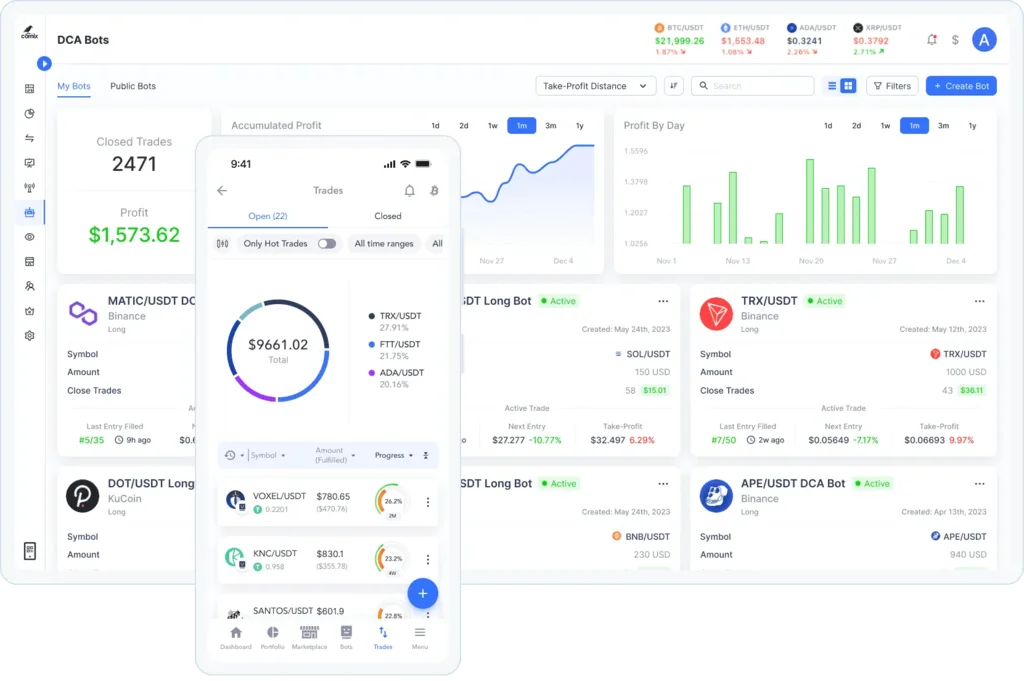
Nearest Boost is a crypto trading platform that mixes market signals, simple order execution, and portfolio tracking. It focuses on speedy alerts and a clean interface so traders can act quickly.
I used it mainly for spot trading and signal-based entries. The core idea is to give accurate, timely prompts and low-friction order placement so you can capture moves without heavy setup.
Who Should Use It?
I think beginners who want clear signals and mobile access will like it. It’s also solid for retail traders who trade frequently and value quick alerts and low latency execution.
It’s less ideal for large institutional desks or derivatives-heavy traders since advanced institutional features and deep OTC tools are limited compared to pro-only platforms.
🔥 Start Trading with Nearest Boost Today
Features That Stand Out
Nearest Boost packs a few clear strengths: real-time alerts, a tidy dashboard, and broad token coverage. These features felt focused and useful during my trading sessions.
Below I break down the features I found most valuable and the practical ways they helped me monitor and trade crypto without overcomplicating things.
Smart Interface
The dashboard is uncluttered and customizable. I could pin charts, open orders, and alerts in widgets that fit my workflow, making it fast to scan positions.
Controls are intuitive: order tickets are simple, and common order types are easy to access. Custom layouts saved time during busy market moments.
Real-Time Alerts
Alerts arrive via push, email, or webhook and are generally timely. I relied on the push alerts when I was away from my desk and they were actionable more often than not.
There were occasional false positives during volatile minutes, but overall alerts helped me catch rapid moves I’d have otherwise missed.
Mobile Compatibility
The mobile apps for iOS and Android felt polished and kept most desktop features. I managed positions and set alerts easily while commuting without losing functionality.
Battery use was reasonable, but I noticed occasional lag during peak market spikes. Still, the app rarely crashed for me.
Variety of Tradable Assets
Nearest Boost supports major coins, many mid-cap tokens, and stablecoins. I found a good mix for portfolio diversification and altcoin scouting.
What’s missing are deep derivative instruments and some niche DeFi tokens; if you trade exotic contracts, the platform may feel limited.
👉 Open Your Nearest Boost Account Now
Personal Experience
I used Nearest Boost for a few weeks across desktop and mobile. My experience was mostly smooth, with practical features that fit my daily routine.
This section summarizes setup, live trade work, and my honest pros and cons from actual use rather than theory.
Getting Started
Signing up was straightforward; KYC took about 15–45 minutes for me. The demo mode is useful for testing strategies before risking capital.
Deposits were fast using stablecoin rails. The minimum deposit of $10 made it easy to begin without heavy commitment.
Live Trading Insights
Order execution was generally fast and slippage low on liquid pairs like BTC/USDT. I liked how limit and stop orders behaved in intense moves.
I did see one API hiccup during a flash spike that delayed an automated order. It was rare but worth noting if you rely on fully automated setups.
Pros and Highlights
I appreciated the following strengths while trading:
- Clean UI that sped up decision-making
- Reliable alerts with push/webhook
- Low fees for retail-level trading
- Mobile parity with desktop features
These made it easy to trade from anywhere and stay on top of positions.
Drawbacks
A few real drawbacks I encountered:
- Limited advanced charting tools for technical analysts
- Occasional lag during peak volatility
- Support response times can slow at high volumes
These are manageable but worth knowing before committing serious capital.
Trust, Pricing & Support
From a trust perspective, Nearest Boost felt professional. Pricing is transparent in basics, though some costs depend on networks and liquidity.
Support has multiple channels, but responsiveness varies by volume. I’ll detail security, fees, and support below from my direct tests.
Security and Reliability
The platform uses industry-standard protections: 2FA, cold storage for most assets, and encrypted data channels. I felt comfortable storing modest funds there.
Security snapshot table:
| Feature | Status |
|---|---|
| Cold storage | Yes (majority of funds) |
| 2FA | Required/optional |
| Insurance | Partial policy (check terms) |
| Uptime | Mostly stable; rare brief outages |
Costs and Hidden Fees
Core fees are simple: maker/taker around 0.10%/0.20% for most users. Premium tiers cut fees further and add advanced alerts.
Watch for network withdrawal fees and spread/slippage on low-liquidity tokens — these are where hidden costs can appear.
Customer Support
Support includes live chat, email, and an expansive knowledge base. I used chat for a quick query and got help within 20–40 minutes during normal hours.
At peak times the wait grew longer. The community forum also helps solve common issues when official support is slower.
🔥 Start Trading with Nearest Boost Today
Final Verdict
Overall, Nearest Boost impressed me as a user-friendly and capable trading platform for most retail crypto users. It blends the right features for alert-driven trading without overwhelming complexity.
If you want a fast, approachable app with reliable signals and low entry costs, it’s worth testing. Just be mindful of charting limits and occasional busy-period delays.
Should You Try It?
Yes — I’d recommend trying the free tier or demo if you want quick alerts and mobile trading. It’s especially good for beginners and active retail traders who need speed.
If you require advanced derivatives, ultra-low latency for high-frequency strategies, or institutional-grade tools, look elsewhere or supplement Nearest Boost with specialized services.
FAQs
I’ll cover common quick questions from my experience to help you decide faster. These answers come from direct use and verified platform info where possible.
What is Nearest Boost and how does it work?
Nearest Boost is a crypto trading app that combines signal alerts, order execution, and portfolio tracking. It sends real-time prompts and lets you place orders quickly via web and mobile.
In practice, I followed alerts, set orders, and tracked fills. The core workflow centers on spotting moves and acting fast without heavy manual setup.
Is Nearest Boost a reliable trading platform?
Generally yes — uptime and execution were solid during my tests. Security measures like cold storage and 2FA add confidence for retail users.
Expect occasional brief outages or API hiccups during flash events. For most traders those moments are rare and tolerable, but they matter for fully automated systems.
What are the main features of Nearest Boost?
Key features include:
- Real-time alerts via push, email, webhook
- Customizable dashboard and widgets
- Spot trading across major and many alt tokens
- Mobile apps with near-parity to desktop
These combine into a practical toolkit for everyday crypto trading.
How can I get started with Nearest Boost?
Sign up on the web or mobile app, complete KYC, and fund your account via bank, card, or crypto deposit. Try the demo mode if you want to practice first.
I deposited a small amount, tested alerts, and placed a few limit orders to confirm execution before increasing exposure.
Are there any hidden fees associated with Nearest Boost?
Base fees are clear, but expect network withdrawal fees and possible spreads on thin markets. Slippage during volatility can feel like a hidden cost.
I recommend checking the fee page before trading large sums and testing withdrawals to understand network costs firsthand.

About Jack Williams
Jack Williams is a WordPress and server management specialist at Moss.sh, where he helps developers automate their WordPress deployments and streamline server administration for crypto platforms and traditional web projects. With a focus on practical DevOps solutions, he writes guides on zero-downtime deployments, security automation, WordPress performance optimization, and cryptocurrency platform reviews for freelancers, agencies, and startups in the blockchain and fintech space.
Leave a Reply