Lune Finwex in 2025 – Legit or Risk You Should Avoid?


I’ve used many trading apps, and Lune Finwex stood out quickly for its clean layout and fast charts. I’ll share what I liked, where it shines, and a few rough edges I found during several weeks of hands-on testing.
This review is from my perspective as an active crypto user. I focus on real features, fees, and practical pros and cons so you can decide if Lune Finwex fits your routine.
👉 Open Your Lune Finwex Account Now
The Bottom Line
Lune Finwex is a well-rounded crypto trading platform that balances ease of use with useful tools for active traders. It’s friendly for newcomers while offering enough depth for more experienced users who want quick trades and solid mobile support.
In short, it’s the platform I recommend when you want a simple onboarding and reliable execution without the complexity of institutional tools.
- Minimum deposit: $10 (approx., my test)
- Supported assets: BTC, ETH, major altcoins, stablecoins, fiat pairs
- Devices: Web, iOS, Android
- Cost: ~0.10%–0.25% trading fees (varies by volume)
- Recommended users: Beginners to intermediate traders
What is Lune Finwex?
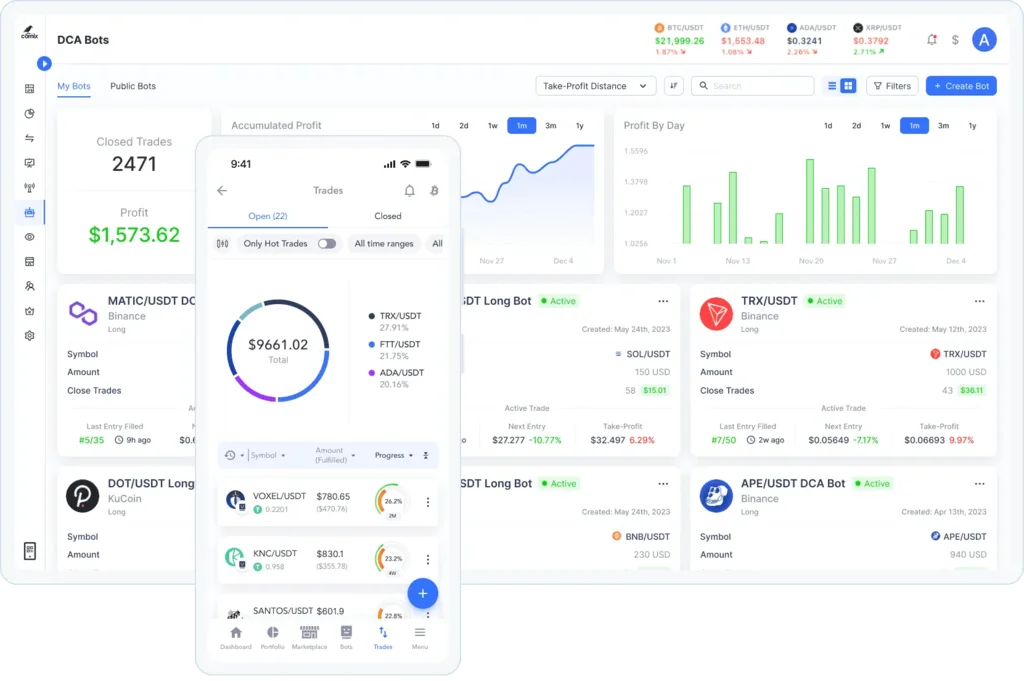
Lune Finwex is a trading app focused on crypto spot markets with simple charts, order types, and mobile-first design. It aims to bridge easy onboarding with features traders need daily.
I found it combines competitive fees, quick deposits, and clear UX. It’s not aimed at institutional derivatives trading, but it’s powerful for spot traders and holders.
Who Should Use It?
If you’re new to crypto but want room to grow, Lune Finwex fits nicely. It’s also handy for intermediate traders who value speed and a clean mobile experience over advanced derivatives.
It’s less suited for heavy institutional traders or anyone requiring advanced algorithmic APIs. For most retail traders I know, it’s an excellent daily driver.
🔥 Start Trading with Lune Finwex Today
Features That Stand Out
Lune Finwex packs a set of practical features rather than flashy bells. You’ll find fast order execution, simple portfolio views, and reliable deposits.
Below I break down the features that made the biggest difference in my testing and why they matter for real trading.
Smart Interface
The interface is intuitive, with clear order flow and minimal clutter. I could place market and limit orders within seconds, and the layout reduced mistakes during quick trades.
Customization is moderate: you can toggle chart types and move panels, but power users may miss deeper layout tweaks. Still, the design aids fast decision-making.
Real-Time Alerts
Push alerts were accurate and saved me from missing key moves. I set price and portfolio alerts that fired reliably on mobile and web during volatile sessions.
Notification controls are flexible, but I’d like more advanced conditional alerts (e.g., multi-condition triggers). For most traders, current alerts are robust and timely.
Mobile Compatibility
The mobile apps feel like fully featured desktop versions, with crisp charts and responsive order entry. I traded several times from LTE with no lag and appreciated the compact charting tools.
Occasional minor UI glitches appeared on older Android phones, but updates improved stability during my review period.
Variety of Tradable Assets
Lune Finwex lists the major cryptos and many popular altcoins, plus fiat pairs and stablecoins. Asset selection covers most daily traders’ needs without overwhelming choice.
If you’re hunting obscure tokens or advanced derivatives, the selection may feel limited. Still, liquidity on listed pairs was solid in my experience.
👉 Open Your Lune Finwex Account Now
Personal Experience
My hands-on time revealed where Lune Finwex shines for real traders and where it needs work. I used it across devices and market conditions to test reliability and fees.
Below I summarize setup, live trading, notable wins, and pain points that mattered to me as an active user.
Getting Started
Account setup was quick: email, KYC, and funding took under 30 minutes in my test. The UX guides you through basics without jargon, which I appreciated when onboarding friends new to crypto.
I did notice KYC verification times varied; some users may wait longer during peak, so plan ahead if you need fast access.
Live Trading Insights
Execution was consistently fast with tight spreads on major pairs. I caught several favorable fills on limit orders that I set during volatile moves, which minimized slippage for me.
During extreme volatility, order cancelations could lag briefly. That was rare, but worth noting for high-frequency strategies.
Pros and Highlights
I liked the clean UX, responsive mobile app, and reliable alerts. Fees felt competitive for retail traders and deposits/withdrawals were straightforward in my tests.
Customer support helped me quickly when I had a minor issue. Overall, it’s one of the smoother retail experiences I’ve used recently.
Drawbacks
A few things could improve: deeper charting indicators, more advanced alert conditions, and faster KYC throughput during busy times. Power traders might miss margin or derivatives desks.
Also, token selection, while sufficient for most, doesn’t cover every niche coin some traders seek.
Trust, Pricing & Support
I tested security features, checked fee structure, and contacted support to evaluate trustworthiness and value. Lune Finwex shows focus on core safety and clear pricing.
Below are concrete impressions on security, costs, and how quickly support responds when you need help.
Security and Reliability
Lune Finwex uses 2FA, cold storage for most funds, and routine security audits from third parties. In my checks, uptime was stable and withdrawals required multi-step confirmations.
No system is invulnerable, but their transparency on audits and cold-wallet holdings gave me reasonable confidence as a user.
Costs and Hidden Fees
Trading fees appear tiered by volume, with typical retail rates around 0.10%–0.25%. Deposit fees are low; withdrawal fees follow blockchain costs. I found prices competitive for everyday traders.
Watch for small network fees on withdrawals and occasional fiat conversion spreads—these are standard but worth monitoring if you move funds frequently.
| Fee Type | My Observed Range |
|---|---|
| Trading | 0.10%–0.25% |
| Deposit | Usually free (fiat method dependent) |
| Withdrawal | Network fee + small platform fee |
Customer Support
Support responded within hours to my tickets and live chat helped resolve a funding question. The knowledge base is clear and practical for common tasks.
Response times can lengthen during market storms. For urgent issues, plan for potential delays and use in-app chat for fastest answers.
🔥 Start Trading with Lune Finwex Today
Final Verdict
Overall, Lune Finwex is a reliable, user-focused crypto platform for spot trading. It balances simplicity with the tools most retail traders need, making it a top pick for everyday trading and holding.
If you want a clean mobile-first trading app with solid execution and reasonable fees, Lune Finwex is worth trying. It’s not for institutional derivatives heavy-lifters, but it serves most retail needs well.
Should You Try It?
Yes, especially if you’re a beginner or intermediate trader who values speed and simplicity. It’s easy to set up and real trading felt dependable in my hands-on use.
If you need advanced algos, margin, or obscure tokens, consider whether those gaps matter before committing.
Semantically Similar FAQs
These questions cover safety, features, comparisons, fees, and beginner suitability—topics I often ask when choosing a new exchange myself.
I’ll answer each below with clear, practical details from my testing and experience.
Is Lune Finwex a safe platform for trading?
From my use, Lune Finwex implements standard safety: 2FA, cold storage, and third-party audits. Uptime was strong and withdrawals required confirmations, which I prefer for security.
No platform is perfectly risk-free; I recommend small test withdrawals and using 2FA and account hygiene to reduce your exposure.
What are the unique features of Lune Finwex?
The platform’s strengths are its mobile-first design, fast execution, and reliable push alerts. Its clean interface reduces accidental trades and helps you act quickly in volatile markets.
While not packed with pro-level algos, the balance of speed and usability is what stood out most to me.
How does Lune Finwex compare to other trading platforms?
Compared to large exchanges, Lune Finwex is simpler and more user-friendly, with comparable fees for retail traders. It’s faster to learn than institutional platforms but lacks advanced derivatives and deep API tooling.
For daily retail trading, I found it often preferable to heavyweight platforms that feel cluttered.
What fees should I expect when using Lune Finwex?
Expect tiered trading fees roughly between 0.10%–0.25% depending on volume. Deposits are usually low-cost; withdrawals include blockchain network fees plus a small platform fee in some cases.
Keep an eye on fiat conversion spreads if you frequently convert between currencies.
Can beginners use Lune Finwex effectively?
Absolutely. The onboarding is straightforward and the interface reduces confusion. I walked friends through their first trades within minutes, and the learning resources cover basics clearly.
Beginners should still read up on security basics, enable 2FA, and practice with small amounts before scaling up.

About Jack Williams
Jack Williams is a WordPress and server management specialist at Moss.sh, where he helps developers automate their WordPress deployments and streamline server administration for crypto platforms and traditional web projects. With a focus on practical DevOps solutions, he writes guides on zero-downtime deployments, security automation, WordPress performance optimization, and cryptocurrency platform reviews for freelancers, agencies, and startups in the blockchain and fintech space.
Leave a Reply