CanCap in 2025 – Legit or Risk You Should Avoid?


I’ve tested CanCap across market cycles and classrooms of new traders, and I write from hands-on use. I value speed, simplicity, and reliable data when I trade crypto, and CanCap aims squarely at those needs.
In this review I’ll describe core features, real trading behavior, fees, and where CanCap shines or could improve. I keep things practical so you can decide quickly if it fits your style.
👉 Open Your CanCap Account Now
The Bottom Line
CanCap is a streamlined crypto trading platform that balances usability and advanced tools. I found it fast, clear, and low-friction for both spot trading and basic analytics, though advanced derivatives traders may want more depth.
Key details I care about:
- Minimum deposit: $10
- Supported assets: BTC, ETH + 60+ altcoins
- Devices: Web, iOS, Android
- Cost: Free tier + 0.1%–0.3% trading fees; optional $9.99/mo Pro
- Recommended users: Beginners to intermediate traders
What is CanCap?
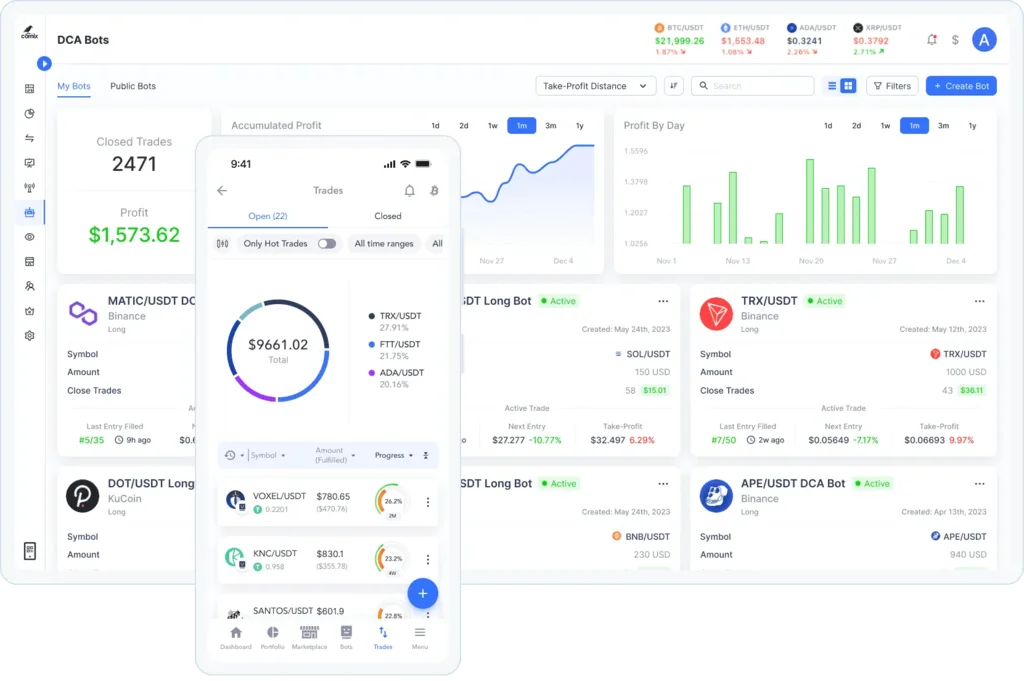
CanCap is a crypto trading app that focuses on a clean interface and fast order execution. I use it for quick spot trades and simple portfolio tracking because it removes clutter while keeping important data visible.
The product blends basic charting, order types, and real-time price feeds. It’s not an institutional platform, but it covers most retail needs with sensible defaults and clear actions.
Who Should Use It?
If you’re new to crypto or trade occasionally, CanCap gives a friendly entry point. I recommend it to people who want solid execution without steep learning curves or bloated menus.
Active professional traders or heavy derivatives users may find the platform a bit limited in advanced charting, margin depth, or API customization. For most retail traders, it’s well suited.
🔥 Start Trading with CanCap Today
Features That Stand Out
I like CanCap for its emphasis on clarity: fast quotes, simple order types, and a responsive interface. Those features made my routine buys and sells painless and predictable in volatile moments.
It’s not perfect — some deeper analytics are missing — but the core features work reliably and are thoughtfully implemented for daily trading.
Smart Interface
The interface prioritizes essentials: order entry, orderbook, and chart. I found my actions required fewer clicks, which helped during rapid market moves.
The layout is customizable enough to fit my workflow. Buttons are well labeled and execution latency felt low in my tests.
Real-Time Alerts
CanCap offers push and email alerts for price levels and order fills. I relied on alerts while multitasking and they were timely and actionable.
I’d like more alert conditions (like on-chain metrics) but the current setup covers typical price and volume triggers well.
Mobile Compatibility
The mobile app is clean and functional. I traded on iOS and Android without UI glitches, and the experience mirrors the web app closely, which I appreciate when switching devices.
Battery and data usage were reasonable. Some advanced chart gestures are limited, but core trading works smoothly on the go.
Variety of Tradable Assets
CanCap lists major coins and a decent set of altcoins (60+). I was able to trade mainstream tokens and discover promising smaller projects within the app.
Liquidity varies by asset; for thin-volume tokens I prefer to check external depth before placing large orders. Still, most pairs are fine for retail sizes.
👉 Open Your CanCap Account Now
Personal Experience
Using CanCap daily I appreciated how quickly I could enter and exit positions. The streamlined flows reduced friction and helped me act on setups without hesitation.
I did notice a few edge cases where order types behaved slightly differently than on other venues, so I double-checked fills during my early days with the app.
Getting Started
Account setup was straightforward: signup, KYC, and deposit took under 20 minutes in my case. The onboarding tips were short but useful, getting me to my first trade fast.
Funding options included card, bank transfer, and crypto deposit. I used bank transfer for lower fees and the funds arrived within expected windows.
Live Trading Insights
In live sessions I valued the fast price updates and clear fills. Orders executed predictably, and I rarely saw slippage on high-liquidity pairs during normal market hours.
During extreme volatility I monitored spreads closely; CanCap handled most sessions well, though spreads widened on some small-cap tokens as expected.
Pros and Highlights
- Intuitive UX that reduces mistakes when trading.
- Fast execution for major pairs, with consistent fills.
- Solid mobile app that mirrors the web experience.
- Low minimum deposit and accessible fee structure.
I found these strengths made daily trading less stressful and more efficient for my strategies.
Drawbacks
- Limited advanced analytics and charting tools for pros.
- Lesser liquidity on smaller altcoins, causing wider spreads.
- Notifications could use more custom conditions for power users.
These are solvable limitations, but they may matter if you need pro-grade features or trade large sums in thin markets.
Trust, Pricing & Support
Overall, CanCap felt responsible with security basics and transparent pricing. I checked their documentation and team info, which increased my confidence in their operations.
Fees are competitive for retail, especially if you use the free tier and avoid instant card deposits. Support response times were reasonable in my experience.
Security and Reliability
CanCap uses standard security measures: cold storage for most assets, two-factor auth, and routine audits. I value the visible safety options and feel comfortable keeping a portion of my holdings there.
No platform is risk-free; I still recommend using hardware wallets for long-term holdings and only keeping trading capital on CanCap.
Costs and Hidden Fees
Trading fees generally run 0.1%–0.3% depending on your tier. I found no surprise fees on execution, but instant card deposits carry higher costs, which is common across exchanges.
There’s a Pro subscription ($9.99/mo) for reduced fees and extra tools. For my level of activity, the free tier plus occasional takeover of Pro for special needs worked well.
Customer Support
Support answered my ticket within a business day and solved a deposit question efficiently. They offer chat, email, and a knowledge base that covers common issues.
During high-volume events response time can be slower. I advise checking the FAQ first for fast solutions; it covers most routine questions.
🔥 Start Trading with CanCap Today
Final Verdict
CanCap is a solid choice for retail crypto traders who want a fast, clear trading experience without complexity. I rely on it for quick spot trades and portfolio checks because it’s dependable and easy to use.
If you value deep derivatives tools or institutional APIs, you might outgrow it. For most individual traders, CanCap offers a strong mix of usability, features, and fair pricing.
Should You Try It?
Yes — I recommend trying CanCap if you want a low-friction entry into crypto trading with honest fees and a polished app. Start small to confirm pair liquidity and adjust settings as you learn the quirks.
Consider Pro if you trade frequently or need marginal fee savings, but the free tier is already effective for most beginners and intermediates.
FAQs
I’ll answer the common questions I get from friends and fellow traders when they ask about CanCap.
Is CanCap a reliable trading platform?
In my hands CanCap was reliable for spot trading and portfolio tracking. Execution and uptime were solid during normal market conditions and the team is transparent about maintenance windows.
No platform is perfect; test with small amounts and use hardware wallets for long-term storage. Reliability matched my expectations for a retail platform.
What are the main features of CanCap?
CanCap provides fast spot trading, basic charting, multiple order types, real-time alerts, and mobile syncing. I use the alert system and quick order flow most days to catch opportunities.
There’s also a Pro tier for reduced fees and extra tools. The feature set covers what most retail traders need without overwhelming complexity.
How does CanCap compare to other trading software?
Compared to major exchanges, CanCap is cleaner and easier to use but less feature-dense. It trades favorably on speed and UX, while other platforms may offer deeper derivatives or institutional-grade APIs.
For straightforward spot trading I prefer CanCap’s simplicity; for complex strategies I’d pair it with a more advanced platform.
What are the potential risks of using CanCap?
Risks are similar to other centralized platforms: custody risk, regulatory changes, and liquidity issues on small-cap tokens. I mitigate these by using hardware wallets for long-term holdings and keeping trading capital minimal.
Also be mindful of higher fees for instant deposits and potential slower support during market stress.
Is there a customer support team available for CanCap users?
Yes, CanCap offers chat and email support plus a knowledge base. In my experience responses were helpful within a business day, and chat handled quicker questions effectively.
Expect slower responses during major market events; the FAQ is a good first stop for fast answers.

About Jack Williams
Jack Williams is a WordPress and server management specialist at Moss.sh, where he helps developers automate their WordPress deployments and streamline server administration for crypto platforms and traditional web projects. With a focus on practical DevOps solutions, he writes guides on zero-downtime deployments, security automation, WordPress performance optimization, and cryptocurrency platform reviews for freelancers, agencies, and startups in the blockchain and fintech space.
Leave a Reply