ArbiVise in 2025 – Legit or Risk You Should Avoid?


I’ve used a lot of crypto tools, and ArbiVise stood out to me quickly because it focuses on speed and simple, actionable signals. I appreciated how the platform lays out opportunities without drowning me in jargon or charts that don’t help.
In this review I’ll explain what works, what needs work, and who I think gets the most value. My goal is to give you a practical, honest view you can act on.
👉 Open Your ArbiVise Account Now
The Bottom Line
ArbiVise is a fast, user-friendly arbitrage and trading assistant that helped me spot gaps between exchanges and execute quickly. Its main appeal is speed, clear alerts, and mobile access for on-the-go trading.
I recommend ArbiVise for active retail traders and crypto-savvy investors who value quick execution and ease of use.
- Minimum deposit: Varies by exchange (no platform minimum)
- Supported assets: Major tokens and selected altcoins (50+)
- Devices: Web, iOS, Android
- Cost: Freemium model; paid plans from $19/month
- Recommended users: Active traders, arbitrageurs, power users
What is ArbiVise?
ArbiVise is a trading assistant that identifies arbitrage and spread opportunities across exchanges. It aggregates price data and highlights actionable differences I can exploit.
The platform blends automated scanning with manual control, letting me decide when to execute or transfer funds. It’s not a full exchange, more a decision-support tool I use alongside my existing accounts.
Who Should Use It?
I find ArbiVise best for traders who actively move funds between exchanges and need fast signals. It’s ideal for those who understand order books and withdrawal timings.
Beginners can use it, but they should learn basics first. If you’re a casual HODLer, the value is limited compared to active arbitrageurs or day traders.
🔥 Start Trading with ArbiVise Today
Features That Stand Out
ArbiVise packs several helpful features that really made my workflow smoother. It focuses on real-time scanning, clear profit estimates, and quick alerts when spreads appear.
The interface emphasizes action: I can filter by exchange, token, and profit threshold. That made finding usable opportunities faster during volatile markets.
Smart Interface
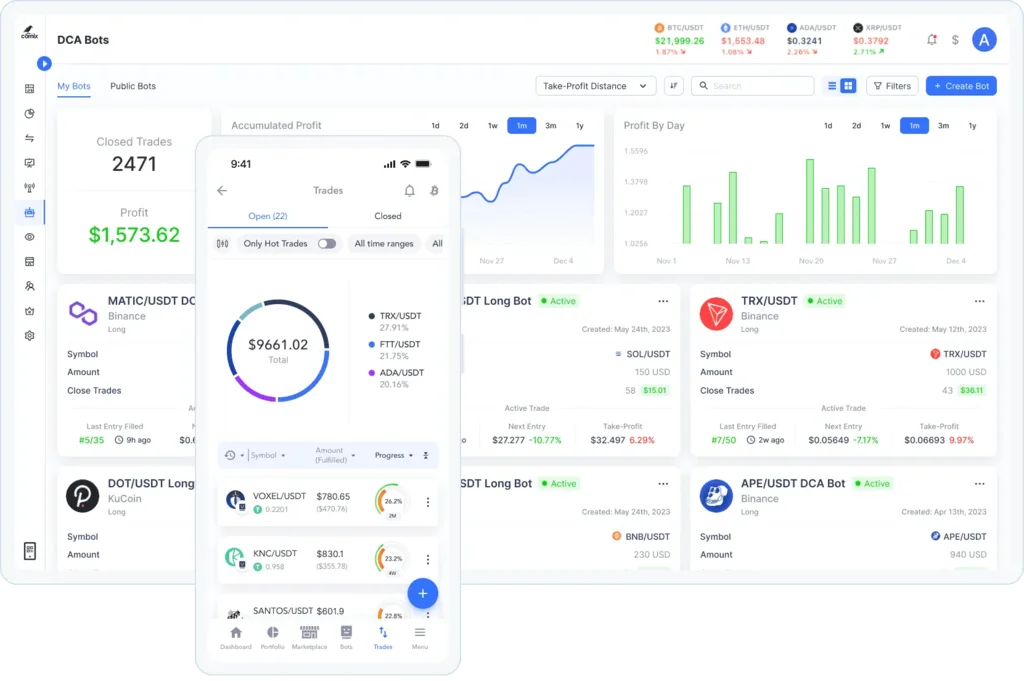
The interface is clean and prioritizes critical info like spread, fees, and liquidity. I liked that key numbers are bold and easy to scan at a glance.
Customization options let me save filters for the tokens and exchanges I care about. That saved time and kept my screen uncluttered during active sessions.
Real-Time Alerts
ArbiVise sends instant notifications when an arbitrage window opens, including profit estimates net of fees. I depended on these alerts to act quickly in tight markets.
Alerts are configurable by threshold and asset class, so I only get noise-free updates that match my strategy and risk appetite.
Mobile Compatibility
The mobile apps are responsive and retain the most important tools from the web version. I found executing or checking alerts on the phone straightforward during travel.
Charts are simplified on mobile but still show enough depth to decide. Push alerts are reliable; I rarely missed an opportunity because of a delayed notification.
Variety of Tradable Assets
ArbiVise tracks major coins and a curated set of altcoins across exchanges. That gave me a broad view without the clutter of tiny illiquid tokens.
Liquidity filters help avoid false positives by removing assets that wouldn’t allow real execution. I appreciated that conservative approach to protect time and funds.
👉 Open Your ArbiVise Account Now
Personal Experience
Over several weeks I tested ArbiVise under different market conditions. It performed best during high volatility when price gaps were frequent and sizable.
I used both the free and paid tiers to compare. The paid plan added more frequent scans and extra exchanges, which increased my actionable signals meaningfully.
Getting Started
Signing up was quick and the onboarding walkthrough pointed me to permissions and API setup for exchanges. I linked my exchange APIs in under ten minutes.
The learning curve was modest — you should know basic trading terms. Built-in tooltips helped when I got stuck on terms like “order book depth.”
Live Trading Insights
In live runs I saw accurate spread estimates and the platform accounted for withdrawal fees in its profit calc. That accuracy reduced surprises when I moved funds.
Timing and transfer fees still matter — some opportunities vanished by the time transfers confirmed. I learned to favor trades with on-exchange liquidity rather than cross-chain transfers when possible.
Pros and Highlights
I liked ArbiVise for its clarity and speed. Key strengths I experienced were straightforward alerts, strong mobile support, and useful profit calculations.
- Fast, clear alerts
- Good mobile apps
- Useful fee-aware profit estimates
- Custom filters and liquidity screening
These features made it practical for real trading, not just theoretical signals.
Drawbacks
ArbiVise isn’t perfect and I noticed a few realistic limitations. First, profitability depends heavily on withdrawal and deposit speeds — factors outside the platform’s control.
Second, the asset list skips many small tokens, which limits niche arbitrage chances. Finally, advanced users may want deeper API automation that’s currently limited on some plans.
Trust, Pricing & Support
I minded security and fees closely. ArbiVise does not custody funds — it uses exchange APIs, which I prefer. That reduces centralized risk but requires careful API key permissions.
Pricing is fair and transparent. The free plan gives basic scans; paid tiers from around $19/month add more exchanges and faster scan intervals. It felt reasonable for the value I got.
Security and Reliability
ArbiVise asks for read and trade API keys depending on features; I kept withdrawal rights disabled. The platform uses standard encryption and two-factor options for accounts.
Uptime has been solid in my experience, with only rare hiccups during extreme market stress. I still recommend keeping backup plans if alerts miss a window.
Costs and Hidden Fees
There are no hidden platform fees; costs come from exchanges (trading fees, withdrawal fees). ArbiVise shows fee-adjusted profits, which helped me avoid unpleasant surprises.
Subscription tiers scale by scan frequency and exchange coverage. I found the mid-tier gave the best balance of signals for my trading volume.
Customer Support
Support is responsive via email and in-app chat. I received helpful setup answers within a few hours during my first week.
There’s also a small knowledge base with tutorials and best practices. Community forums are growing, which helped when troubleshooting edge cases.
🔥 Start Trading with ArbiVise Today
Final Verdict
Overall I found ArbiVise to be a practical, well-designed tool for spotting and acting on arbitrage. It won me over with clarity, mobile reliability, and realistic profit estimates.
It’s not magic — you still need speed, exchange capital, and good execution. But for traders who move often between exchanges, it significantly raises efficiency and reduces guesswork.
Should You Try It?
Yes, if you actively trade across exchanges and want faster, clearer opportunities. Start with the free tier to test scan timing and local exchange coverage.
If you’re mainly a long-term holder or never move funds between exchanges, the value is limited. For power users, the paid tiers are worth the cost for extra speed and exchanges.
FAQs
I wrote concise answers to common questions I had when testing ArbiVise. These cover features, security, fees, and device access in plain language.
If you still have a specific scenario, ask me and I’ll share how I’d use ArbiVise for it.
What are the main features of ArbiVise?
ArbiVise scans multiple exchanges for arbitrage, shows fee-adjusted profit estimates, sends instant alerts, and provides customizable filters for assets and exchanges.
It also supports mobile push notifications, liquidity screening, and API linking so I can act without switching windows, making opportunities actionable quickly.
Is ArbiVise suitable for beginners?
Beginners can use ArbiVise, but I recommend learning basic trading, fees, and API permissions first. The interface is simple, but real arbitrage requires understanding transfers and timing.
Start small on the free plan, practice with simulated or small trades, and grow as you gain comfort with exchange mechanics and risk management.
How does ArbiVise ensure security for its users?
ArbiVise uses encryption for data and supports two-factor auth. Crucially, it doesn’t hold funds — it connects to exchanges via API keys, and I kept withdrawal rights disabled for safety.
That model reduces central custody risk, though safe API key management on your end is essential to protect your accounts.
What fees should I expect when using ArbiVise?
ArbiVise charges subscription fees for premium plans; platform fees are transparent. Most costs come from exchange trading fees, withdrawal fees, and possible network gas for transfers.
The platform’s profit estimates include typical fees, helping me see real returns before I act.
Can I access ArbiVise on mobile devices?
Yes. ArbiVise has iOS and Android apps with push notifications and a pared-down interface. I could view alerts, check profit estimates, and act quickly from my phone.
The mobile app keeps the core tools I need, though complex order book analysis is easier on the desktop.

About Jack Williams
Jack Williams is a WordPress and server management specialist at Moss.sh, where he helps developers automate their WordPress deployments and streamline server administration for crypto platforms and traditional web projects. With a focus on practical DevOps solutions, he writes guides on zero-downtime deployments, security automation, WordPress performance optimization, and cryptocurrency platform reviews for freelancers, agencies, and startups in the blockchain and fintech space.
Leave a Reply