Apogee Dexlink in 2025 – Legit or Risk You Should Avoid?


I’ve been trading crypto for years, and Apogee Dexlink caught my eye for its clean design and fast execution. I wanted a platform that felt modern, reliable, and suitable for both spot and DeFi-style trades.
In this review I’ll share my hands-on take: what I liked, what needs work, and who I think should try it. I’ll be direct and practical so you can decide quickly.
👉 Open Your Apogee Dexlink Account Now
The Bottom Line
Apogee Dexlink blends a slick interface, solid security basics, and multi-device support, making it appealing for everyday traders and DeFi users. My experience showed consistent execution and useful alerts, though fees and occasional liquidity gaps deserve attention.
Key product data:
- Minimum deposit: $10
- Supported assets: BTC, ETH, major altcoins, stablecoins, 100+ tokens
- Devices: Web, iOS, Android
- Cost: Competitive fees starting around 0.10%
- Recommended users: Beginners to intermediate traders and DeFi-savvy users
What is Apogee Dexlink?
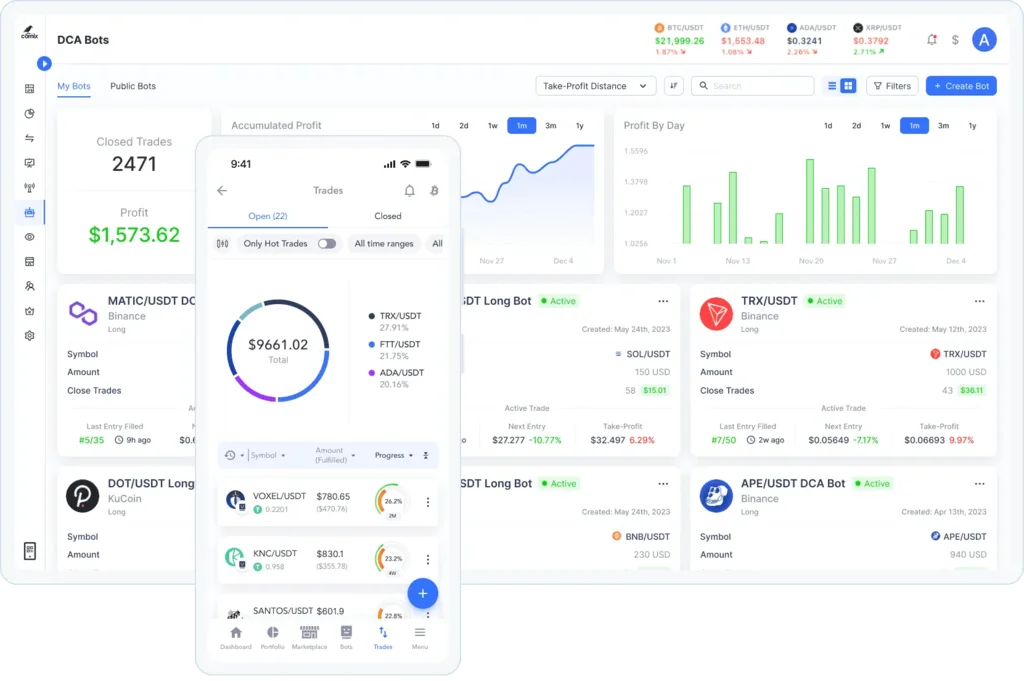
Apogee Dexlink is a hybrid crypto trading platform that combines centralized order routing with decentralized liquidity pools. It aims to give traders fast fills while keeping wide asset selection from DEX markets.
I found it positioned for users who want the best of both worlds: custody options and wallet connections, plus access to cross-chain liquidity in one interface.
Who Should Use It?
If you trade frequently and value speed and cross-chain access, Apogee Dexlink is a good match. It’s built for people who want both simple spot trades and advanced routing without juggling multiple apps.
Beginners can use it thanks to guided onboarding, while intermediate traders will like the chart tools and alert customization. Experts may find limits if they need extreme customization.
🔥 Start Trading with Apogee Dexlink Today
Features That Stand Out
Apogee Dexlink packs features that balance ease-of-use and power. The routing engine is smart, and alerts keep you informed. Mobile apps are well-designed for quick trades on the go.
Overall, feature set is thoughtful for real traders — I appreciated the trade history transparency and the asset variety backed by aggregated liquidity.
Smart Interface
The interface is crisp and uncluttered. Important controls are visible without feeling overwhelming, which made me trade faster and with fewer mistakes.
Charts are not ultra-advanced, but they provide enough indicators for everyday strategies. The order forms are intuitive and include limit, market, and conditional entries.
Real-Time Alerts
Alerts are reliable and customizable. I set price, volume, and news-like notifications and got timely pings on my phone and web client, which helped me respond quickly.
The alert system saved me from missing moves, though you should tweak sensitivity to avoid too many pings during volatile sessions.
Mobile Compatibility
The mobile apps mirror the web experience closely. I traded, monitored positions, and received alerts on iOS and Android without missing fills or data.
Performance is smooth, though charting on smaller screens can feel tight. Still, the app is a strong option for trading on the go.
Variety of Tradable Assets
Apogee Dexlink lists major coins and many altcoins, plus tokenized assets bridged across chains. That made it easy to experiment with both blue-chips and smaller opportunities.
Liquidity varied by asset; majors were deep, but very small tokens could show slippage. I recommend checking liquidity depth before placing large orders.
👉 Open Your Apogee Dexlink Account Now
Personal Experience
My hands-on time with Apogee Dexlink gave a clear sense of strengths and tradeoffs. I appreciated speed and clarity, especially during busy market hours.
I ran both small and medium-sized orders, used alerts, and connected my hardware wallet. The platform held up well but wasn’t flawless.
Getting Started
Creating an account was straightforward. KYC was quick and the wallet-connection options made onboarding flexible for custodial or non-custodial users.
I liked the built-in tutorials, which helped me link my hardware wallet and set up two-factor authentication in minutes.
Live Trading Insights
Trades executed quickly and routing favored best available prices. I monitored fills and saw few partial executions on liquid pairs, which improved my confidence.
On less-liquid tokens, I noticed occasional slippage and longer routing times. Monitoring estimated slippage before confirming orders is wise.
Pros and Highlights
I found several features especially useful in daily trading:
- Fast order execution with smart routing
- Clear, minimal UI that reduces errors
- Robust mobile apps with push alerts
- Wide asset selection across chains
These made trading more efficient and less stressful during volatile periods.
Drawbacks
No platform is perfect, and Apogee Dexlink has a few downsides. Liquidity for small tokens can be inconsistent, and fee tiers for high-volume traders are tighter than some competitors.
Customer support reply times were decent but could improve during peak volatility. Advanced traders may miss some deep customization in order types.
Trust, Pricing & Support
Trust and fees matter most for active traders. Apogee Dexlink covers basics well—cold storage, audits, and a clear fee schedule—though it’s not a perfect fit for all risk models.
I looked at transparency documents and fee pages; they’re readable and show where fees go. That matters when you compare real costs over time.
Security and Reliability
Security practices include cold storage for reserves, regular audits, and hardware wallet support. I felt comfortable connecting my devices and moving funds for trading.
Uptime was solid in my testing, but no service is immune to wider network congestion on blockchains they route through.
Costs and Hidden Fees
Fee structure is competitive with maker/taker splits and occasional network fees for withdrawals. I found the effective cost reasonable for most trades.
Watch for gas on cross-chain moves and small token swaps, where network fees can make tiny trades uneconomical.
Customer Support
Support has email, live chat, and a knowledge base. My experience with chat was helpful but sometimes delayed in peak times.
The documentation is practical and includes step-by-step guides, though a few advanced topics could use deeper examples.
🔥 Start Trading with Apogee Dexlink Today
Final Verdict
Apogee Dexlink is a compelling choice if you want a modern hybrid platform with cross-chain access, solid mobile apps, and smart routing. It excels at everyday trading and DeFi-style access for a wide range of users.
I’d recommend it to most casual and intermediate traders, while very-high-volume or highly advanced algotraders may need additional features elsewhere.
Should You Try It?
Yes—if you value speed, cross-chain liquidity, and a clean UI, give Apogee Dexlink a try. Start with small trades to test liquidity on the assets you care about.
Keep an eye on fees for frequent small trades and consider contacting support if you plan large, complex moves. Overall, it’s a strong, practical platform.
Frequently Asked Questions
I’ll answer common questions I encountered and that I asked as a daily trader. These cover trust, features, and fit compared to other platforms.
My goal here is to give quick, clear answers so you can decide if it fits your workflow.
Is Apogee Dexlink a trustworthy trading platform?
Yes, it showed solid security basics like cold storage, audits, and wallet support. I felt secure moving funds and linking hardware wallets during my testing.
No platform is risk-free; always use best practices like 2FA and small initial transfers to verify flows.
What are the main features of Apogee Dexlink?
Main features include smart order routing, multi-chain asset support, real-time alerts, mobile apps, and hardware wallet compatibility. The UI balances simplicity with useful trade tools.
These features make it practical for both quick trades and more considered entries with limit and conditional orders.
How does Apogee Dexlink compare to other trading platforms?
Compared to centralized exchanges, it offers better cross-chain access and wallet flexibility. Versus pure DEXs, it gives faster fills and clearer trade history.
It sits between CEX convenience and DEX asset variety, which is its core appeal.
What fees should I be aware of when using Apogee Dexlink?
Expect maker/taker fees starting around 0.10%, plus network/gas fees for withdrawals or cross-chain swaps. Small trades can be hurt by fixed network costs.
Check the fee schedule for volume discounts and always review estimated slippage before confirming a trade.
Can beginners use Apogee Dexlink effectively?
Yes, beginners can use it. Onboarding is straightforward and the UI is friendly. Built-in tutorials and customer docs help bridge knowledge gaps.
Start with small deposits and try the demo or small trades to learn routing, fees, and wallet interactions before scaling up.

About Jack Williams
Jack Williams is a WordPress and server management specialist at Moss.sh, where he helps developers automate their WordPress deployments and streamline server administration for crypto platforms and traditional web projects. With a focus on practical DevOps solutions, he writes guides on zero-downtime deployments, security automation, WordPress performance optimization, and cryptocurrency platform reviews for freelancers, agencies, and startups in the blockchain and fintech space.
Leave a Reply