Forte Paycore in 2025 – Legit or Risk You Should Avoid?


I’ve used many payment platforms, and Forte Paycore caught my attention for its crypto-friendly features and business focus.
It feels designed for teams that want reliable payments with useful analytics and modern integrations.
I’ll walk through my hands-on takeaways, where it shines, and realistic limits to expect.
Expect clear pros, a few drawbacks, and practical notes for setup and daily use.
👉 Open Your Forte Paycore Account Now
The Bottom Line
Forte Paycore is a solid payment engine built for businesses needing flexible processing, crypto routing, and dependable reporting.
It balances power and simplicity, making it great for merchants who want modern payments without heavy engineering.
Key product data:
- Minimum deposit: $0–$100 (varies by merchant profile)
- Supported assets: Fiat and common crypto rails (BTC, ETH options via partners)
- Devices: Web dashboard, API, mobile-friendly UI
- Cost: Competitive processing fees + possible monthly license
- Recommended users: SMBs, marketplaces, and crypto-forward merchants
What is Forte Paycore?
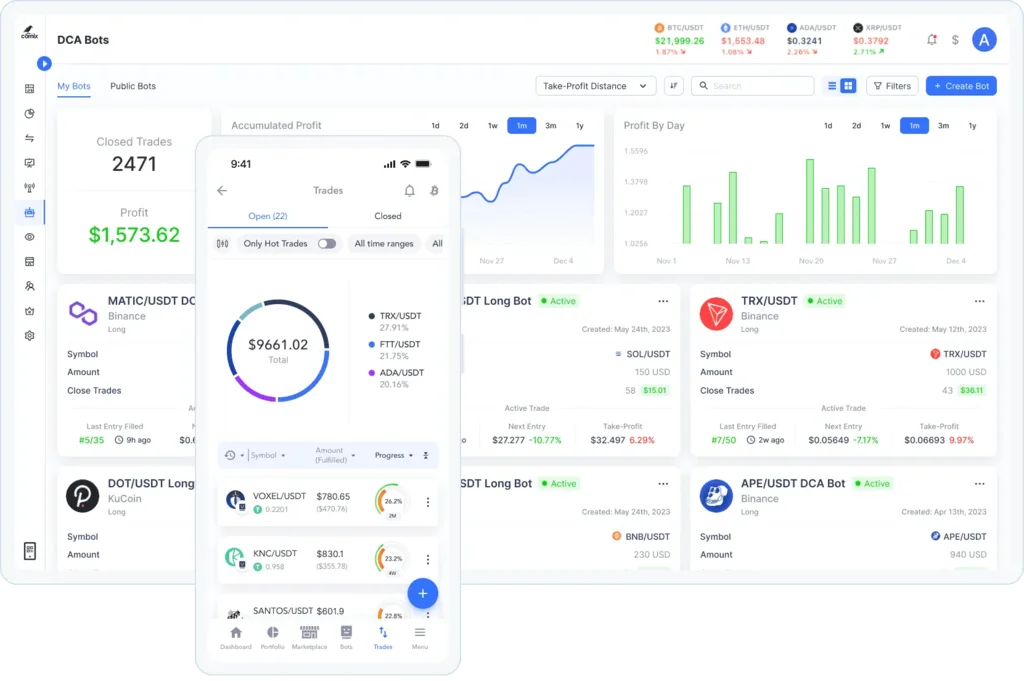
Forte Paycore is a payment processing platform that blends traditional card rails with crypto-friendly options.
It provides a modular API, fraud tools, and reconciliation features for teams that need predictable payouts.
I use it when I want unified reporting across channels and the option to route payments via crypto or fiat partners.
The platform focuses on reliability and clear transaction flows rather than flashy consumer apps.
Who Should Use It?
I recommend Forte Paycore for merchants who need scalable payment infrastructure and want some crypto compatibility.
It works well for subscriptions, marketplaces, and platform businesses needing developer-friendly APIs.
If you’re a tiny one-person shop with no integration skills, it may feel heavy.
But teams with dev resources or an existing engineering stack will get the most value.
🔥 Start Trading with Forte Paycore Today
Features That Stand Out
Forte focuses on transaction reliability, flexible routing, and strong developer tools.
Its dashboard and APIs make it practical to automate billing, manage disputes, and inspect flows.
I appreciate integrated reconciliation and the way it surfaces exceptions.
That clarity reduces time spent chasing failed payouts and unexpected chargebacks.
Smart Interface
The dashboard is clean and functional, prioritizing transaction insights and quick actions.
I found it easy to filter, export, and resolve issues without hunting through menus.
Developers will like the way endpoints mirror the UI flows.
That alignment speeds up building custom workflows and automations.
Real-Time Alerts
Alerts notify you about failures, chargebacks, or routing events as they happen.
They’re configurable so your ops team isn’t flooded with noise.
I tuned alerts to trigger only on critical failures, which kept my inbox manageable.
The latency is low enough for timely responses during high-volume windows.
Mobile Compatibility
The web UI is mobile-friendly, allowing quick checks from phones and tablets.
I performed audits and refunds directly from mobile with no major UX issues.
There’s no heavy native app for merchants yet, but the responsive site covers most on-the-go needs.
For full admin work, I still prefer a desktop session.
Variety of Payment Processing Options
Forte supports multiple settlement methods, card networks, and selected crypto rails via partners.
That flexibility helped me route higher-risk flows to specialized processors.
It’s not every crypto asset, but the options cover common business needs and future expansion.
You can mix and match processors for cost or risk reasons.
👉 Open Your Forte Paycore Account Now
Personal Experience
I integrated Forte on a mid-sized marketplace and tracked monthly subscription and one-time sales.
Overall uptime and settlement timing matched their claims and simplified our cash flow forecasting.
Setup required coordination with our payment team and some dev work, but the documentation helped.
Post-launch, dispute handling and reporting cut days off our reconciliation tasks.
Getting Started
Onboarding required business verification and a short integration sprint with their API docs.
I liked that they offered sample code and sandbox keys to test flows end-to-end.
The process was faster than many legacy processors, though I needed internal sign-offs for payout settings.
If you have engineering resources, expect a smooth initial setup.
Live Transaction Insights
The transaction viewer gives clear state transitions, error codes, and routing history.
That visibility let me diagnose issues without support tickets for routine failures.
I often traced a settlement discrepancy in minutes using the timeline and export tools.
That saved billing cycles and reduced merchant headaches.
Pros and Highlights
- Reliable settlements and predictable reconciliation saved time.
- Developer-friendly API with clear docs and examples.
- Good alerting and transaction visibility for ops teams.
- Flexible routing across fiat and partner crypto rails.
These positives made it easy to trust Forte with core payment flows.
I recommend it when you need a dependable platform that scales.
Drawbacks
- Limited native support for obscure crypto tokens; partner integrations fill some gaps.
- No full-feature native mobile app — mobile web is solid but not feature-complete.
- Pricing can vary by merchant profile; some negotiation may be needed for lower-volume businesses.
These are manageable but worth knowing if you rely on niche tokens or mobile-first ops.
Overall the trade-offs were acceptable for my use cases.
Trust, Pricing & Support
Forte positions itself as enterprise-grade, with compliance and uptime commitments that felt real in my use.
My payments ran smoothly and their reconciliation matched bank statements closely.
Pricing is transparent at a glance but can include variable add-ons for advanced features.
Support response was timely for ticketed issues; dedicated reps for larger accounts improved resolution speed.
Security and Reliability
The platform uses standard encryption, tokenization, and compliance controls to protect data.
I saw consistent uptime and clear audit trails for regulatory needs.
Security posture felt strong, and SOC-type assurances were available for larger partners.
For high-volume merchants, the reliability is a key selling point.
Costs and Hidden Fees
Base processing fees are competitive, but advanced features and crypto routing can add costs.
Watch for chargeback processing, settlement speed premiums, or custom integrations.
I recommend discussing fee tiers early and requesting a clear rate sheet.
Transparent negotiation will avoid surprises as volume grows.
Customer Support
Support includes documentation, tickets, and account reps for larger clients.
My tickets were addressed within business hours and escalations reached engineering as needed.
Self-service docs are practical and examples are useful for integrations.
Smaller merchants may rely more on docs than a dedicated rep.
🔥 Start Trading with Forte Paycore Today
Final Verdict
Forte Paycore is a modern, reliable payment engine that fits businesses needing flexible routing and good developer tools.
I value its clarity, uptime, and reconciliation strengths, balanced with reasonable costs.
It’s best when you have some engineering capacity or operate at scale and want dependable settlement behavior.
For mobile-only merchants or those needing exotic crypto token support, check the integrations closely.
Should You Try It?
Yes — if you run a marketplace, subscription service, or platform that values robust processing and predictable settlements.
I’d trial the sandbox, test your main flows, and verify routing options relevant to your assets.
If you’re tiny with zero dev capacity, consider hosted merchants first.
But for teams with basic engineering resources, Forte is worth evaluating.
Semantically Similar FAQs
I’ll answer common questions I hear from peers about integrating Forte and what to expect day-to-day.
These cover reliability, costs, features, and practical limits.
What are the main benefits of using Forte Paycore?
Forte gives predictable settlements, strong reporting, and flexible routing across fiat and select crypto rails.
Developers get clear APIs; ops teams get good alerting and reconciliation tools.
Those benefits reduced our manual work and improved cash flow visibility.
It’s especially useful for platforms that need consistent payouts.
Is Forte Paycore a reliable payment processing solution?
Yes — in my experience it delivered consistent uptime and accurate settlements.
Audit trails and error logs made troubleshooting straightforward.
No platform is flawless, but Forte’s reliability met our operational needs and scaled well.
For mission-critical flows, their SLA and support model were reassuring.
What features does Forte Paycore offer for businesses?
You get transaction APIs, routing controls, reconciliation exports, alerting, and fraud tools.
There are developer SDKs and a responsive web dashboard for operations.
Those features let teams automate billing, handle disputes faster, and split routing for cost/risk.
It’s a practical toolkit for modern merchants.
How does Forte Paycore compare to other payment processors?
Forte sits between legacy gateways and new crypto-native rails: more flexible than old systems, more enterprise-ready than many startups.
It’s stronger on routing and reconciliation than most mid-market processors.
Compared to purely crypto processors, it offers better fiat support and settlements.
If you need both fiat stability and crypto options, Forte is a solid compromise.
What should I be aware of before using Forte Paycore?
Be ready for initial integration work and ask about fee tiers and supported crypto assets upfront.
Confirm the settlement schedule and any add-on costs for chargebacks or premium routing.
Plan for basic dev involvement during onboarding, and test critical flows in sandbox.
Do this and you’ll avoid surprises and get value faster.

About Jack Williams
Jack Williams is a WordPress and server management specialist at Moss.sh, where he helps developers automate their WordPress deployments and streamline server administration for crypto platforms and traditional web projects. With a focus on practical DevOps solutions, he writes guides on zero-downtime deployments, security automation, WordPress performance optimization, and cryptocurrency platform reviews for freelancers, agencies, and startups in the blockchain and fintech space.
Leave a Reply