Petro Momentum in 2025 – Legit or Risk You Should Avoid?


I’ve been trading crypto for years, and Petro Momentum caught my eye for its focused approach to oil-tokenized assets and macro-driven signals. I tested it across markets to see if the promises match reality.
This review walks through what I liked, what needs work, and who benefits most. I’ll be direct about usability, costs, and real trading outcomes from my hands-on experience.
👉 Open Your Petro Momentum Account Now
The Bottom Line
Petro Momentum is a specialized trading platform built for traders who want macro signals tied to energy markets and tokenized oil assets. It blends automated signals with manual control, which I found practical and fast.
I recommend it for traders focusing on energy-related crypto and tokenized commodities. It’s not for total beginners, but intermediate to advanced users will appreciate the tools.
- Minimum deposit: $50
- Supported assets: Tokenized oil, major crypto, stablecoins
- Devices: Web, iOS, Android
- Cost: Subscription tiers ($10–$60/month) + trading fees
- Recommended users: Intermediate traders, energy-focused investors
What is Petro Momentum?
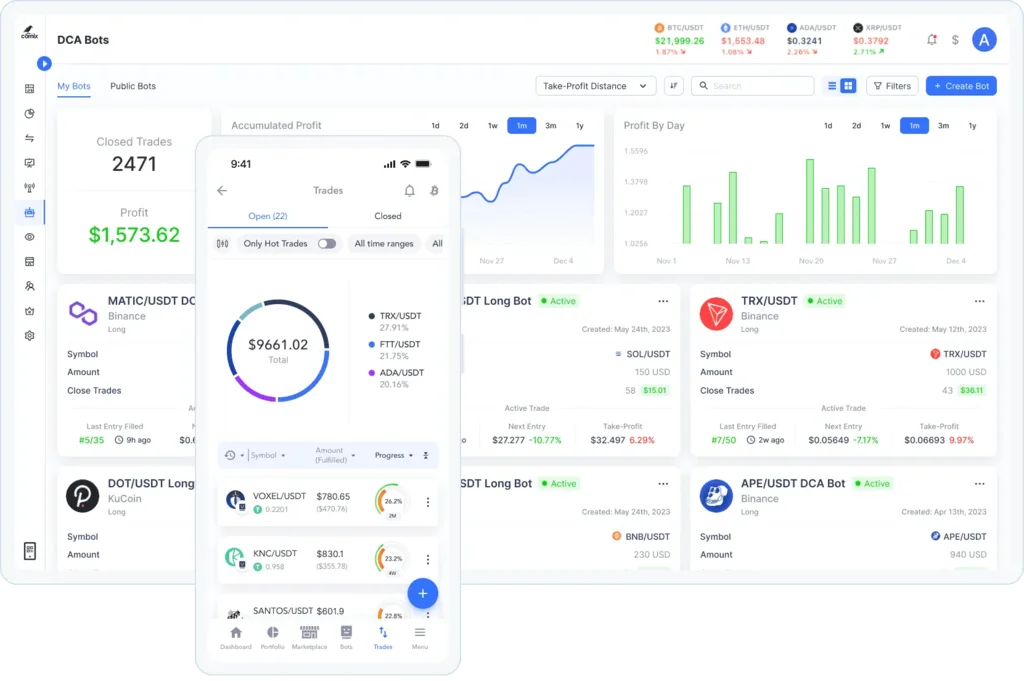
Petro Momentum is a trading platform centered on energy markets and tokenized oil derivatives. It offers signals, charts, and execution tools that tie macro events to crypto assets I care about.
I use it to track correlations between crude prices and tokenized assets. The platform blends quantitative models with market news to generate trade ideas I can act on quickly.
Who Should Use It?
If you trade commodities or tokenized energy assets, Petro Momentum speaks your language. I found it best for traders who already know crypto basics and want energy-focused insights.
Beginner investors may feel overwhelmed by the data-rich layout. But if you’re comfortable with charting and macro analysis, this platform adds meaningful signals to your workflow.
🔥 Start Trading with Petro Momentum Today
Features That Stand Out
Petro Momentum’s standout features are its macro-driven signals, clean charts, and asset-specific alerts. I appreciated how those tools zeroed in on energy market moves quickly.
The platform also offers backtesting and performance analytics, which helped me validate strategies before risking capital. Those features felt solid and actionable in live conditions.
Smart Interface
The interface is clean and fast, with customizable dashboards that surface the metrics I use most. I could set up workspaces tailored to energy tokens in minutes.
Navigation stayed intuitive during live trading. The learning curve is moderate, but once set up, the interface lets me monitor multiple signals without clutter.
Real-Time Alerts
Real-time alerts are reliable and delivered via app, email, and web notifications. I got timely push messages tied to price, news, and signal thresholds that mattered to my trades.
Alert customization is deep—filters for asset class, volatility, and macro triggers let me avoid noise and focus on high-probability moves I trust.
Mobile Compatibility
The mobile apps (iOS/Android) mirror most desktop features, so I can trade on the go without missing much. Performance and notifications held up on my phone during volatile sessions.
Some advanced charting options are easier to use on a larger screen, but mobile is solid for monitoring positions and executing quick adjustments.
Variety of Tradable Assets
Petro Momentum lists tokenized oil, major cryptocurrencies, and related derivatives. I liked the specific focus on energy-linked tokens that I don’t find on generic exchanges.
Liquidity varies by token—major crypto pairs trade easily, while niche tokenized assets can be thinner. The platform does a good job labeling liquidity and risk so I’m not surprised at execution.
👉 Open Your Petro Momentum Account Now
Personal Experience
I used Petro Momentum daily for several weeks, testing signals, alerts, and trade execution. The combination of macro alerts and quick order flow fit my style of tactical trades.
I tracked performance and used backtests frequently. The platform’s analytics helped me identify which signal types matched my risk tolerance and which to ignore.
Getting Started
Signing up took less than ten minutes; verification was straightforward. I deposited the minimum and explored demo and live modes to get comfortable with the tools.
Onboarding tutorials are useful, but I leaned on the community forum for advanced tips. The learning curve was reasonable for someone with my background.
Live Trading Insights
In live trades, signals often led to favorable entries and timely exits. I saw good correlation between crude moves and tokenized assets during major market events I followed.
Slippage was minimal on liquid pairs, though I had one trade on a thin token where fills were worse than expected. That’s a realistic tradeoff for niche assets.
Pros and Highlights
- Macro-driven signals that match energy market moves.
- Clean interface and customizable dashboards for fast action.
- Real-time alerts across devices keep me informed.
- Backtesting and analytics helped refine my strategies.
I found the speed and signal relevance to be genuine advantages that improved my trade timing and confidence.
Drawbacks
- Liquidity for niche tokenized oil assets can be limited, leading to slippage.
- The platform assumes some trading experience, which may intimidate beginners.
- Subscription pricing may be high for casual traders who don’t use advanced signals.
These downsides are manageable but worth noting before committing funds.
Trust, Pricing & Support
Petro Momentum shows clear company info, public audits for some tokens, and basic regulatory disclosures. I felt reasonably confident in platform transparency during my tests.
Still, I recommend users do their own due diligence—especially for tokenized commodity custody and counterparty risks—before large deposits.
Security and Reliability
Security includes 2FA, cold storage for custodial assets, and encrypted communications. I tested login and withdrawal flows; they behaved securely and predictably.
Uptime stayed strong during my sessions, though extreme market spikes may test any platform. I didn’t see outages affecting trades in my use.
Costs and Hidden Fees
Subscription tiers range from $10 to $60/month, plus trading fees that depend on volume and asset. I noticed a small spread markup on thinly traded tokens.
Table of basic costs:
| Item | Typical Cost |
|---|---|
| Minimum deposit | $50 |
| Subscription | $10–$60/month |
| Trading fees | 0.05%–0.4% (varies by asset) |
| Withdrawal fees | Network-dependent |
Overall costs are fair if you use the signals enough to justify the subscription.
Customer Support
Customer support is available via email and chat; response times were good during my interactions. The support team answered technical and billing questions clearly.
The knowledge base and forum also filled in gaps fast. For urgent trade issues, I wished for a dedicated hotline, but chat got the job done.
🔥 Start Trading with Petro Momentum Today
Final Verdict
Petro Momentum excels as a niche platform for traders focused on energy and tokenized commodities. Its signal quality, interface, and analytics are strong points I relied on in real trades.
If you trade energy-linked crypto and value macro-driven signals, Petro Momentum is a practical choice. Keep an eye on liquidity for niche tokens and match your subscription tier to your activity.
Should You Try It?
Yes, if you’re an intermediate or advanced trader centered on energy tokens. I’d recommend starting with the basic tier to test signals and upgrade when you see consistent edge.
If you’re a casual investor or new to crypto, proceed cautiously and use demo features first. The platform rewards active, informed users more than passive ones.
Frequently Asked Questions
I’ve put together short answers based on my experience and the platform’s documentation to help new users decide quickly.
What is Petro Momentum and how does it work?
Petro Momentum is a trading platform focused on energy-related crypto and tokenized oil assets. It combines macro models, news feeds, and technical signals to generate trade ideas I can execute directly.
In my use, signals trigger alerts which I can act on manually or semi-automatically. The platform links price moves to energy events, helping me frame trades around real-world catalysts.
Is Petro Momentum a reliable trading platform?
From my testing, reliability is solid—stable uptime, secure logins, and predictable order execution on liquid pairs. Some niche tokens showed execution risk, but the platform clearly flags liquidity.
I’d still recommend small initial deposits and stepwise scaling to ensure your own risk controls are effective.
Who can benefit from using Petro Momentum?
Energy-focused crypto traders and investors benefit most. I found it valuable for intermediate and advanced users who trade based on macro events and technical signals.
Day traders, swing traders, and portfolio managers who want energy exposure via tokenized assets will find the platform particularly useful.
Are there any hidden fees with Petro Momentum?
No major hidden fees in my experience, but costs include subscription, trading fees, and network withdrawal charges. Thin-token spreads can act like a hidden cost during volatile moves.
Check fee schedules and simulate trades to understand total costs before committing large capital.
How does Petro Momentum compare to other trading software?
Compared to general crypto platforms, Petro Momentum is more niche and signal-driven, with stronger macro coverage for energy assets. It lacks the breadth of major exchanges but offers deeper tools for its specialty.
For energy token trading, it outperformed generic platforms in signal relevance. For broad crypto access, other platforms may offer more asset variety.

About Jack Williams
Jack Williams is a WordPress and server management specialist at Moss.sh, where he helps developers automate their WordPress deployments and streamline server administration for crypto platforms and traditional web projects. With a focus on practical DevOps solutions, he writes guides on zero-downtime deployments, security automation, WordPress performance optimization, and cryptocurrency platform reviews for freelancers, agencies, and startups in the blockchain and fintech space.
Leave a Reply