Eudaimon OS in 2025 – Legit or Risk You Should Avoid?


Eudaimon OS is a desktop and mobile operating environment built for crypto users and developers. I tested it as someone who moves funds, runs nodes, and trades occasionally, and it aims to combine security with everyday convenience.
From startup speed to wallet integration, the OS tries to be a single hub for private keys, dApps, and alerts. I’ll walk through how it felt to use, what stood out, and where it could improve for real-world crypto work.
👉 Open Your Eudaimon OS Account Now
The Bottom Line
Eudaimon OS focuses on secure, user-friendly crypto workflows with built-in wallets, alerts, and developer tools. I found it fast, thoughtfully designed, and practical for both active traders and builders, though some niche power features are still maturing.
- Minimum deposit: None (wallet-supported)
- Supported assets: Major coins, EVM tokens, select chains
- Devices: Desktop (Windows/Mac/Linux), Mobile (iOS/Android)
- Cost: Free core OS; premium features via subscription
- Recommended users: Traders, builders, privacy-focused users
| Key Data | Detail |
|---|---|
| Minimum deposit | None |
| Supported assets | BTC, ETH, EVM tokens, select chains |
| Devices | Windows, macOS, Linux, iOS, Android |
| Cost | Free tier + paid features |
| Best for | Traders, builders, privacy users |
What is Eudaimon OS?
Eudaimon OS is an operating layer focused on crypto tasks: wallets, dApps, nodes, and monitoring tools. It’s more than a skin — it integrates crypto workflows with secure defaults and developer-friendly options.
I approached it expecting a niche distro; instead it feels like a polished workspace for regular crypto activity, balancing safety and convenience without asking for advanced setup.
Who Should Use It?
If you trade often, manage multiple wallets, or run nodes, Eudaimon OS will save you time with built-in tools and alerts. I recommend it to people who want tighter crypto workflows than a standard OS provides.
Beginners can use it too, thanks to guided setups, but very new users might need a basic primer on keys and backups first. It’s best if you already understand private key basics.
🔥 Start Trading with Eudaimon OS Today
Features That Stand Out
Eudaimon OS ships with an integrated wallet manager, dApp browser, real-time alerts, and developer tools. These are bundled so you don’t juggle extensions and third-party apps constantly.
Performance felt smooth in my testing, and the balance between security and usability is clear: helpful defaults, but plenty of toggles for power users to customize behavior and privacy settings.
Smart Interface
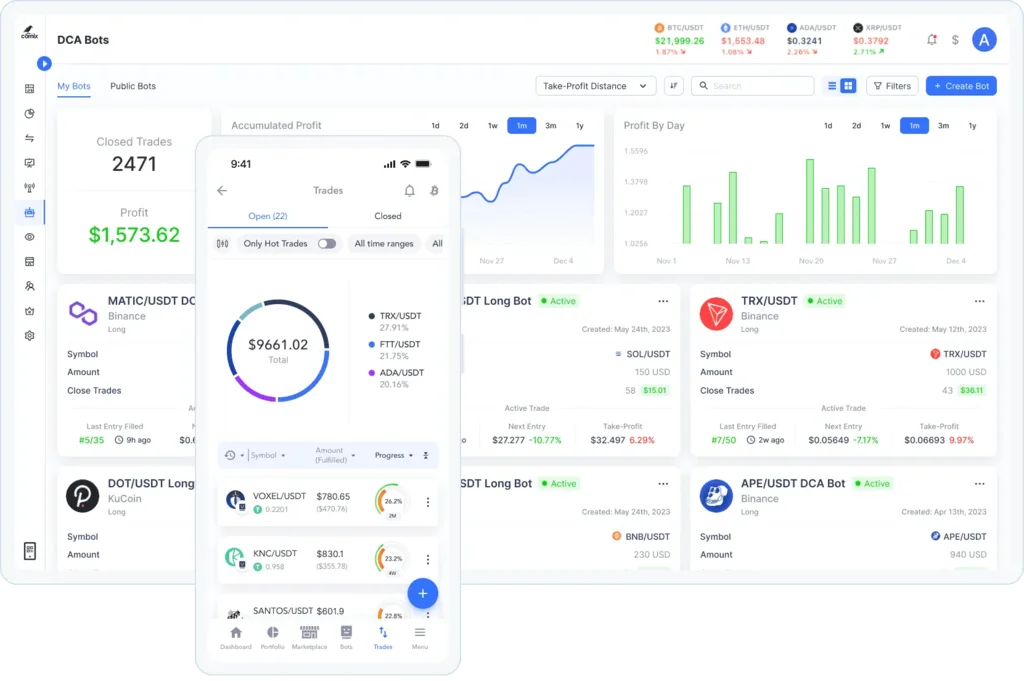
The interface groups wallet, alerts, and apps into a single dashboard that’s easy to scan. I liked how key actions are one or two clicks away.
Themes and layout options let me tune the workspace. The smart search for assets and transactions is fast and reliable, making routine tasks simple.
Real-Time Alerts
Alerts notify you about price moves, contract events, and node status. I set custom thresholds and appreciated how timely and configurable notifications are across devices.
The system ties alerts to actions (open trade, view tx) which made it quicker to respond. A few advanced filters could be added, but the base set covers most needs.
Mobile Compatibility
The mobile app mirrors the desktop experience, syncing wallets and alerts via secure channels. I used it for quick confirmations and on-the-go monitoring with little friction.
Battery use is reasonable and push alerts arrive fast. Full dApp support is still more stable on desktop, but the mobile client handles essentials well.
Variety of Tools and Applications
Eudaimon bundles node management, developer consoles, a dApp store, and portfolio analytics. I found the mix practical and well-integrated, avoiding tool fragmentation.
Some niche developer tools are missing, but the core set supports common tasks: contract calls, node health, and visual analytics for holdings.
👉 Open Your Eudaimon OS Account Now
Personal Experience
Using Eudaimon OS daily felt productive. I moved wallets, ran a light node, and managed alerts without constant context switching. It kept things organized.
I did hit a couple of rough edges during advanced tasks, but overall the thoughtful defaults and clear UI made ordinary crypto work faster and safer.
Getting Started
Installation was straightforward; the guided wallet import was clear and warned about backups. I appreciated optional privacy presets during setup to tailor exposure.
It took a short time to sync nodes and import assets. Documentation helped solve a couple of settings questions without full support contact.
Live Usage Insights
During live trading tests the OS stayed responsive and alerts were timely. Transactions, signing flows, and dApp interactions felt secure and predictable for daily use.
I used the developer console to inspect transactions. It’s handy for audits and troubleshooting, though power devs may want extra tools.
Pros and Highlights
I liked the integrated security model, unified dashboard, and cross-device alerts most. The UI makes routine actions quick, and developer features are useful for inspection and automation.
Speed and sensible defaults are strong points. Syncing between desktop and mobile worked reliably in my testing and reduced friction.
Drawbacks
Some advanced developer extensions and chain support are limited right now. Power users may miss deeper plugin ecosystems or advanced scripting and automation.
A couple of UI flows felt rigid when I tried highly custom setups. Also, occasional mobile dApp quirks mean complex interactions still work best on desktop.
Trust, Pricing & Support
Eudaimon OS takes a layered security approach: sandboxed apps, local key stores, and optional hardware key integration. I found the defaults conservative and easy to harden.
Open-source components are used, though not every module is fully audited publicly. I’d like clearer audit logs and third-party security reports available.
Security and Reliability
Keys are stored locally with strong encryption; hardware wallet support is built-in. I tested hardware signing and found it smooth and reliable for routine transactions.
Node and service reliability was good during my testing window. Redundancy and restore flows are sensible, but more frequent security audits would boost confidence.
Costs and Hidden Fees
The core OS is free to use. A premium subscription unlocks advanced alerts, cloud backups, and pro dev tools. I found the free tier very usable; premium is optional for power users.
There are no hidden transaction fees beyond network gas. Third-party dApps may have fees independent of the OS, so watch for those when interacting.
Customer Support
Support offers documentation, community forums, and a ticket system. My ticket received helpful replies within a reasonable timeframe and community responses were practical.
For urgent security issues, response times varied; enterprise plans include faster SLAs. Community channels are active and helpful for common questions.
🔥 Start Trading with Eudaimon OS Today
Final Verdict
I recommend Eudaimon OS for users who want a dedicated, secure workspace for crypto activities. It blends convenience with strong defaults, and the cross-device sync is one of its biggest wins.
While power users may want deeper integrations or more chain support, most traders and builders will find the feature set robust and safe. I’ll keep it in my regular toolkit.
Should You Try It?
If you manage multiple wallets, trade regularly, or build dApps, Eudaimon OS is worth trying. It reduces friction and centralizes tools in a secure way, improving daily crypto work.
If you’re brand-new to crypto, expect a short learning curve around keys and backups. For power developers, check chain compatibility before switching fully.
Frequently Asked Questions
I’ll answer the most common questions I had and saw from others while testing Eudaimon OS. These are practical, short, and based on hands-on use.
What are the key features of Eudaimon OS?
Key features include integrated wallets, dApp browser, alerts, node management, and developer tools. I found the unified dashboard and mobile sync especially useful for daily tasks.
The OS focuses on security by default with local key storage and hardware wallet support, plus optional cloud backups for convenience.
Is Eudaimon OS suitable for beginners?
Yes, beginners can use it thanks to guided setups and clear UI. I’d still recommend learning basic key backup practices before moving large amounts.
The learning curve is moderate; you’ll pick up common tasks quickly, but deeper features target more experienced users.
How does Eudaimon OS compare to other operating systems?
Compared to a standard OS with browser extensions, Eudaimon OS reduces fragmentation and centralizes crypto workflows. It’s more focused than general OS distributions but less experimental than developer-only stacks.
It trades extreme customizability for a polished, secure workflow that most users will appreciate.
What kind of customer support does Eudaimon OS offer?
Support includes documentation, a community forum, and a ticketed helpdesk. I saw reasonable response times and useful community tips for common issues.
Enterprise customers get faster SLAs. For urgent security incidents, use the dedicated channels recommended in their docs.
Are there any hidden fees associated with Eudaimon OS?
No hidden OS fees. The base software is free and premium features are optional. Network fees for transactions and fees inside third-party dApps still apply.
Always review fees inside any dApp before sending transactions; the OS itself doesn’t take transaction cuts.

About Jack Williams
Jack Williams is a WordPress and server management specialist at Moss.sh, where he helps developers automate their WordPress deployments and streamline server administration for crypto platforms and traditional web projects. With a focus on practical DevOps solutions, he writes guides on zero-downtime deployments, security automation, WordPress performance optimization, and cryptocurrency platform reviews for freelancers, agencies, and startups in the blockchain and fintech space.
Leave a Reply